
Discover Unique Learning Opportunities
At Evergreen Heritage Center, we are passionate about providing enriching educational experiences that bridge the gap between nature and classroom learning. Our unique programs and STEM classes are designed to inspire learners of all ages, from young children to adults, to explore the wonders of nature and science.
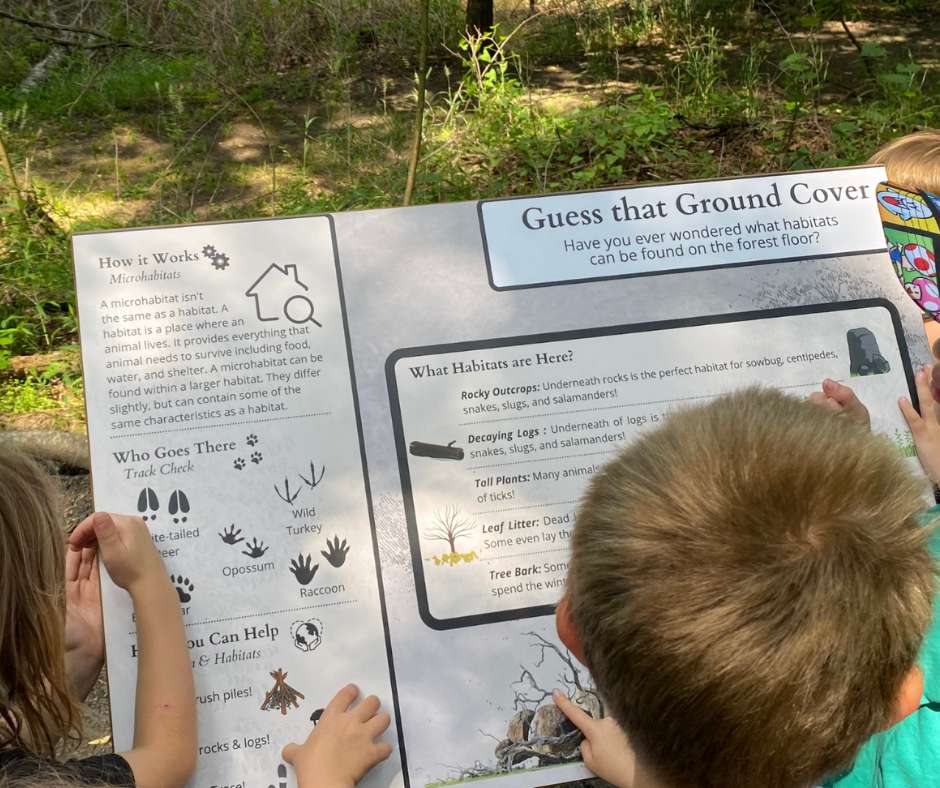
Enriching Youth Education
Experience our enriching youth education programs, featuring STEM exploration, social studies immersion, engaging art workshops, summer camps, and nature classes via self-guided field trips. Nurture curiosity and inspire lifelong learning. Learn about our youth education programs.
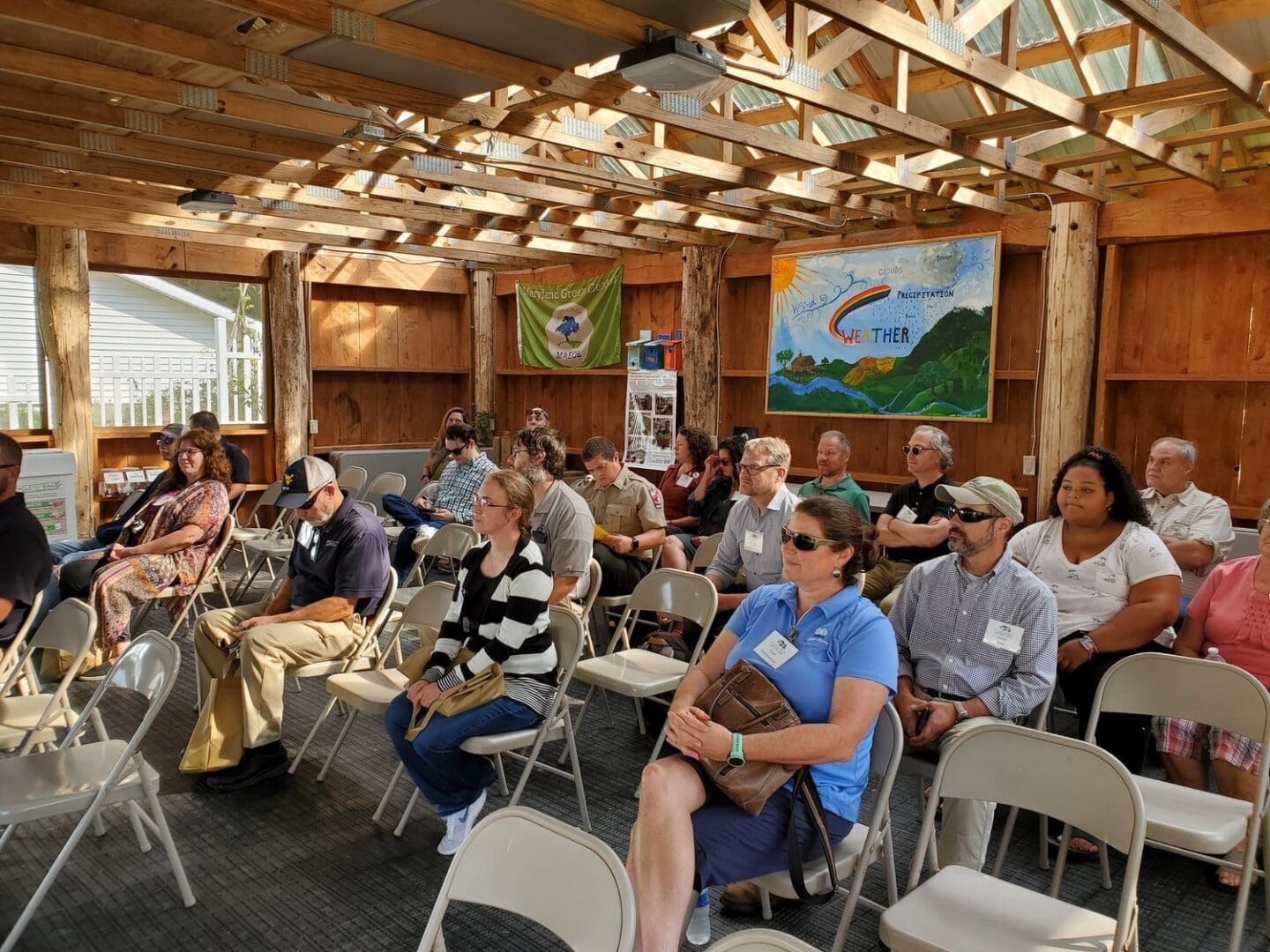
Engaging Workshops
Explore our diverse array of workshops at Evergreen Heritage Center, including art sessions, plant and garden workshops, and specialized educator training. Delve into immersive experiences that spark creativity and learning. Visit our Workshops page to learn more.

Empowering Workforce Development
Discover how we empower individuals and organizations through comprehensive workforce development initiatives. From skill enhancement to fostering adaptability, we offer tailored strategies and activities. Dive deeper into our workforce development programs.
Book Your Field Trip
Are you interested in our educational services? Contact us to learn more about our programs or to plan your visit. Our team is ready to assist you in exploring the educational opportunities that await at the Evergreen Heritage Center.